On my last day in the UK, I went for a stroll down the lane to check out the local farm shop. I had purposely saved this visit for the end of my great OE, as farm shops are such a treasure chest of unexpected culinary delights, homegrown crafts, and herbs in terracotta pots which waft soft joys across the nose. Jams, fresh vegetables and a plant stall are almost obligatory, and Priory Farm Estate certainly delivered those.

Of course, on my travels, as at home, there had been many farm outlets and local stores with freshly-made foodstuffs and family stories. Being able to purchase direct, or at leats local, is always a pleasure.
What I hadn’t expected at Priory Farm Estate though was such a farm shop destination, designed to draw shoppers into spending the whole day, and their entire wallets. Everything from the plant nursery, food outlet, butchery and gift shop are designed to lull the visitor into such a sense of well-being as to make the cost appear irrelevant.
The butchery’s presentation of succulent cuts, fresh off the hoof, is augmented by a willing butcher, happy to discuss ideas for cooking the best family dinner. The service he provided to one elderly couple even included checking what size oven and pans they had, so as to make sure they could cope with the joint they were considering. But oh the price! The joint of locally-grown lamb was more than twice the price of New Zealand grass-fed lamb available at the nearest supermarket. How can that possibly be justified? Ironically, lamb is too expensive for most Kiwi’s to put on their table, because the Kiwi wallet can’t compete with the price farmers get for their New Zealand lamb in the UK. Yet, despite the freight costs, it sells in the UK so much cheaper than British lamb, and that’s without subsidies. Go figure!
In the non-meat section of the Farm shop, the amount of value-added product almost took my breath away. Presenting foods well is a real skill, but I struggled to ignore how much packaging would go straight to landfill. Why individually wrap items not being sold separately, and is it really necessary to have so many pretty ribbons?
Don’t get me wrong; the foods themselves looked divine. Deeply-colored treats promised to please the taste buds, and there’s something wonderfully appealing about shelves of preserves just waiting to augment any social occasion.
Opposite the farm shop, one of my favorite types of retail outlets beckoned. I am usually inclined to get lost in another realm when exploring garden shops, but not on this visit. Trendy gifts, pink tools, and imitation ornaments are clearly not my thing. The centre does have everything the weekend gardener could want, from pizza ovens to outdoor cookware, hedging to lawn care, kids tools to compost. There’s even plants!
In another part of the complex, the pets corner and gift shop are both a shoppers delight, if you are happy to ignore the carbon footprint involved.

At the time of my visit, despite being a misty afternoon, the place was quietly humming, with staff more than actual visitors.
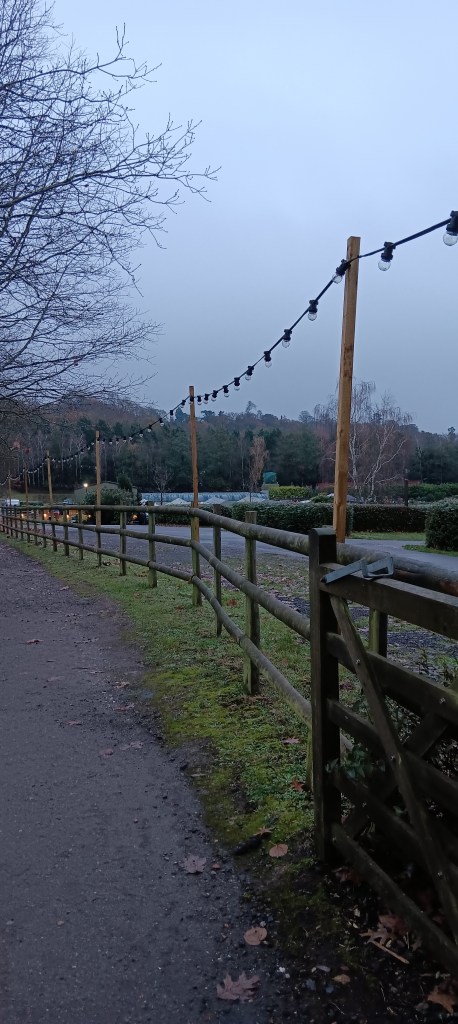
The complex really comes into it’s own at weekends, when families are looking for experiences and shopping opportunities. Priory Farm seeks to combine the two.
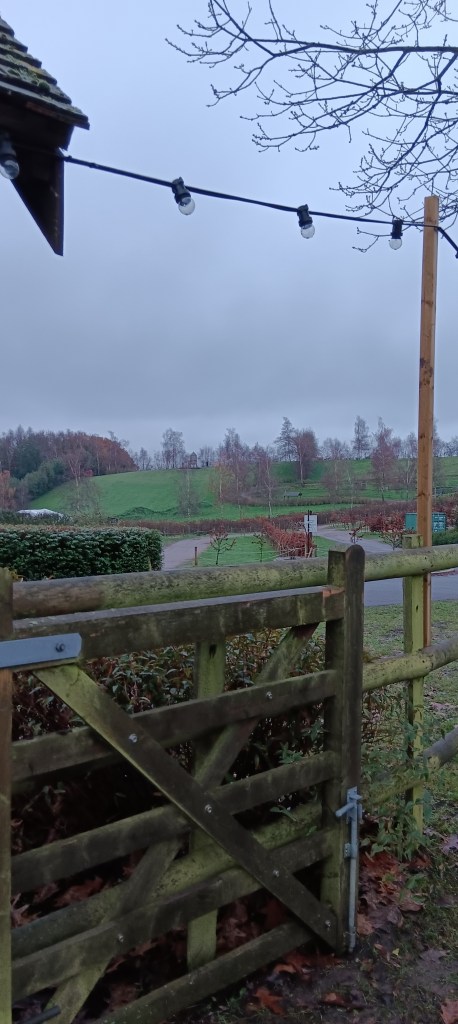
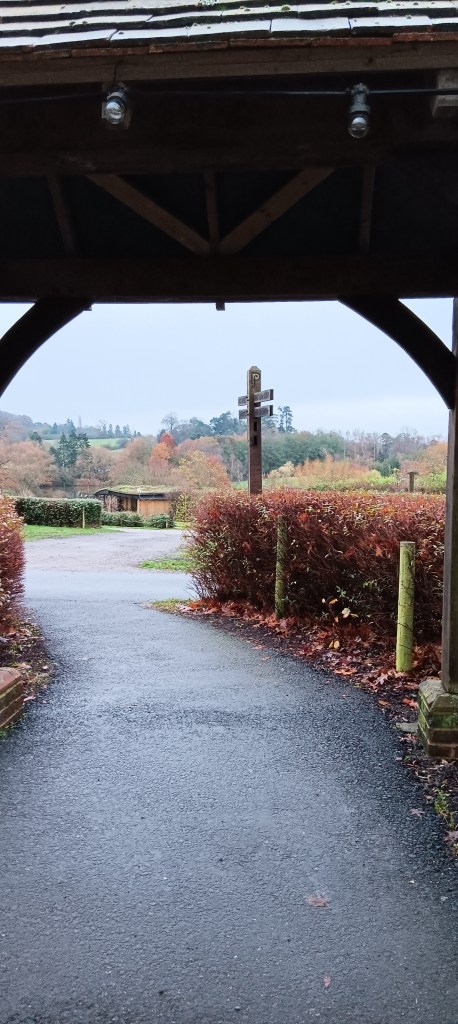
With the development of a nature trail through about forty acres, and a well-placed cafe, the complex is designed to provide a whole day experience for all of the family. In so doing, it has morphed from a farm shop into a destination, reminiscent of the way that Walt Disney transformed the local playground idea into Disneyland.
And just like Disneyland, there’s little to resemble the basic concepts here. So many farm retail sites, needing to value-add to make a decent living, have turned into a fun yet expensive day out; a destination rather than a pocket-friendly food source. Farm retail outlets used to be places where food was cheaper, safer, and local. The buyers were usually local too, arriving by foot, bicycle or car, as part of their weekly shop or on the way home from another activity. Now visitors come from far and wide, driving there especially, and putting pressure on already narrow rural roads.
Places like Priory farm provide a fabulous day in the country, on what would have once upon a time been farmland, and the visitor goes home full of fresh air, but at what cost? All that value-added seems a far cry from a grower selling their wares direct to the public in order for everyone concerned to make their earnings go further.
But assuming you can afford to frequent such a place, and have a day to spare, take a moment to ask yourself the real question; considering the carbon footprint and plastic wrap, is the price that the planet pays for your visit truly value-added?
 Stories for you - Enjoy!