What drives a person to form a collection of dead animal and insect specimens from all over the world? Walter Rothschild, son of a wealthy Jewish family, was expected to be a banker, but the natural world caught his attention with more passion than most of us can afford.
By the time he went to Cambridge University in 1887, he already had a myriad of animals, including a flock of Kiwi which he took with him, employing a man specifically to care for them. Given that the Kiwi is a flightless nocturnal brown bird endemic to New Zealand, this seems a little out there.
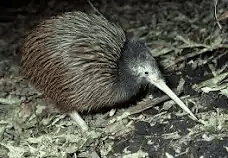
Walter Rothschild did try banking, but at age 40 he retired to work on the science of animals. Museum photos show him with turtles, kangaroos and so many more, with many having large areas to freely graze and multiply. Apparently it wasn’t unusual to see him driving a carriage pulled by zebras. So what happened to the results of his passion?
In the town of Tring, up a side street, rests the most unusual Natural history museum imaginable, formed from Walter Rothschild’s collection, including everything from polar bears to sharks, butterflies to possums, tiny birds and even tinier beetles. There’s even fossils dating back millions of years.
Who knew that a giant sloth roamed (is that the right word for such a slow-moving beast) the South America’s millions of years ago. At over 20 feet tall, his fossilized skeleton makes for a jaw-dropping sight. The specimen in Tring is from Argentina.
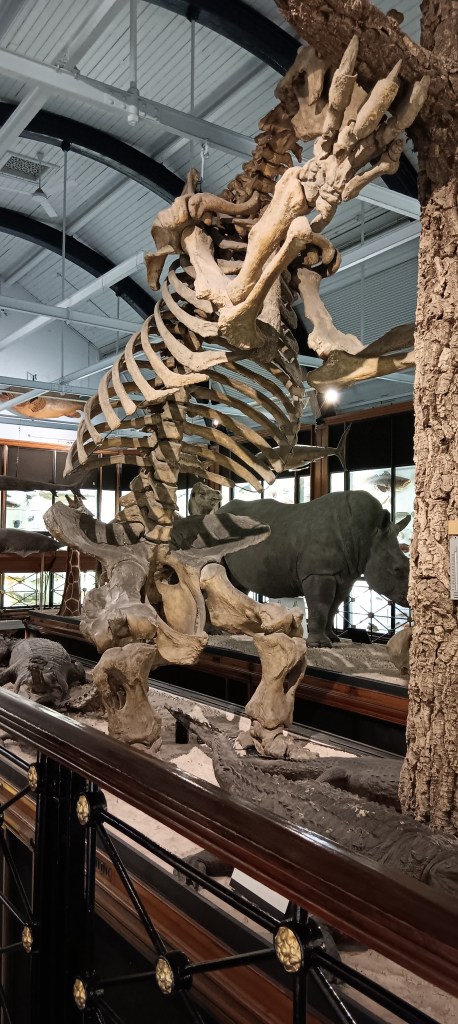
Sadly, many of the examples from my home country looked tired and flat, having lost their colour and sparkle, leaving me wondering how accurate the other exhibits were.
Natural history museums are a strange phenomena. Science and enlightenment of the population about the worlds creatures demands the existence of such places, yet there’s a discomfort as to the ethics of displaying a creature who was probably killed specifically for the collection. Back in Walter Rothschild’s time there was no CITES (Convention on international trade of endangered species), nor any rules around preventing unintended bugs arriving on poorly preserved hides. Most of the exhibits would now be over one hundred years old, so it would be easy to dismiss any concerns as irrelevant. Perhaps the way forward would be for these museums to display more information about current status and efforts to preserve habitat etc, thereby bringing folk on board and getting their support to preserve habitats. Climate change and deforestation affects every living thing, not just humans.
But our messaging must be accurate. On the day of my visit, a wee lass of about four years old looked with some dismay at the glassed-in display of domestic dogs; her expression pretty much reflecting my feelings about seeing stuffed Labradors and Greyhounds. Her mother told the girl the dogs were just sleeping. Why do we lie to children; is it better to face death head on, and maybe spark interest in science by explaining the purpose of natural history displays, or just avoid the realities of life a bit longer? How does glossing over the tough bits help a child to understand their world, or to accept death as part of life?

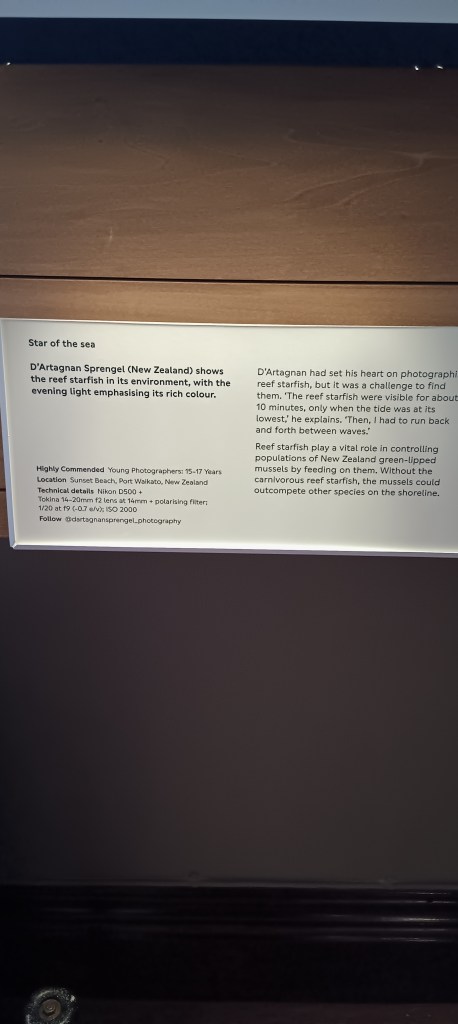
Whatever the misgivings, the museum is packed full of opportunities to ooh and ah! In a side room, a new exhibition which took me by surprise:

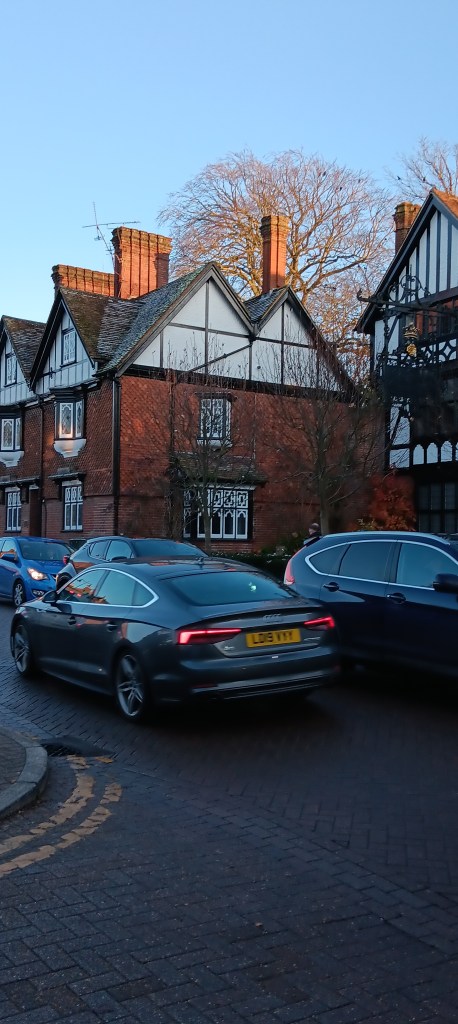
Tring has other unique features. Watch out for the postie who looks and dresses so like Postman Pat as to be his brother. Then there’s the train station, carefully placed away from the town because the townsfolk of 1837 were concerned about the possibility of steam trains blowing up. Even stranger is that the town has not grown to meet the station, so it still stands in lonely isolation, one and a half miles from the town.
Off the main street lies a square which really does need a plaque explaining it’s name!

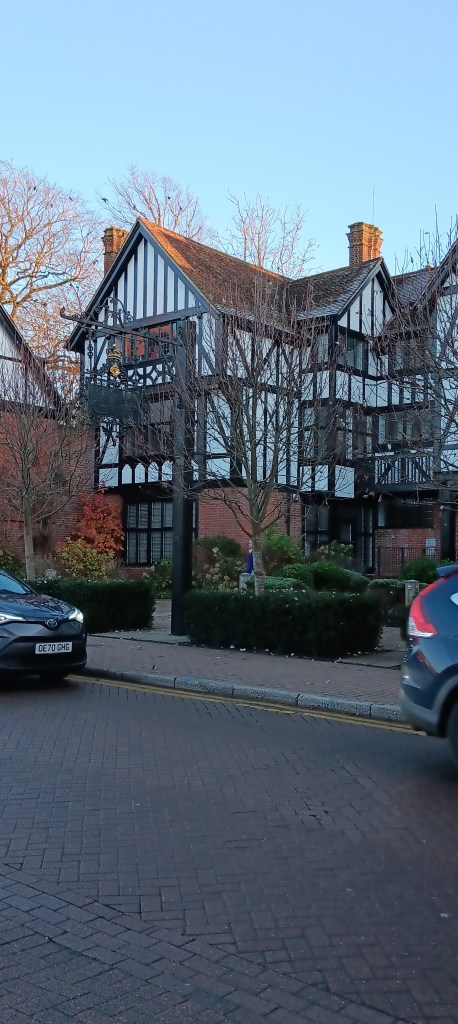
But such oddities are tempered by a lovely feel to the town. Warm soup in a cafe tucked almost under the museum makes even the coldest of autumn days absolutely worth it. The town itself has a picturesque and busy main street, and some gardens are simply lovely. Nearly every person I encountered had a smile or warm greeting. This speaks of a town happy in it’s skin. Tring may be just a commuter ride from London, but, like so many market towns, is a world away in identity.


It was here that I had the absolute pleasure of meeting up with relatives whom none of we New Zealand family had caught up with for approx. half a century. Generations pass on, and it takes effort to keep the links alive, but there are stories to share, and updates to make. The cousins I met up with in Tring had a Dad who visited our home about thirty years ago; a gentle giant who our children took an instant shine to. Having not met the sons, trepidation was at the forefront, but I had a Christmas card from their 90-plus aunt to deliver. Why do we worry about meetings like that? The day was an absolute pleasure, delving into each other’s lives, unveiling history, before ending with hugs sincerely meant. There’s treasure in meeting treasure; if you haven’t visited friendly relatives, pick up a pen and start planning. Or if that’s not possible, skype or video call them on Facebook or Whatsapp; just watch out for time zones!
…but unlike the travelers and explorers of yesteryear, do try to avoid collecting anything other than memories.
 Stories for you - Enjoy!