Vision: there’s what our eyes see, and then there’s the vision resulting from our minds imagining anything is possible. Professor John Stevens Henslow, mentor to Darwin, foresaw the opportunity to create a garden designed specifically for science, research and learning, yet be beautiful too.
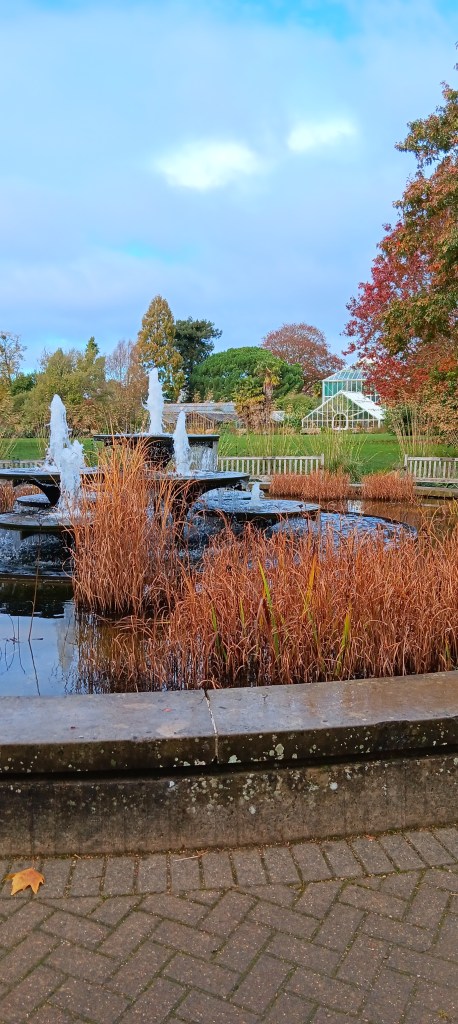
Cambridge university owned a botanical garden for medical students use, but it was only five percent of the land area the good Professor believed was required. After some legal disputes with landowners, the university ‘acquired’ the land needed. Therein lies one of mankinds greatest dilemmas in any land tussle; is the pain inflicted upon a few justified by the on-going learning and generational pleasure that the resultant facilities offer?

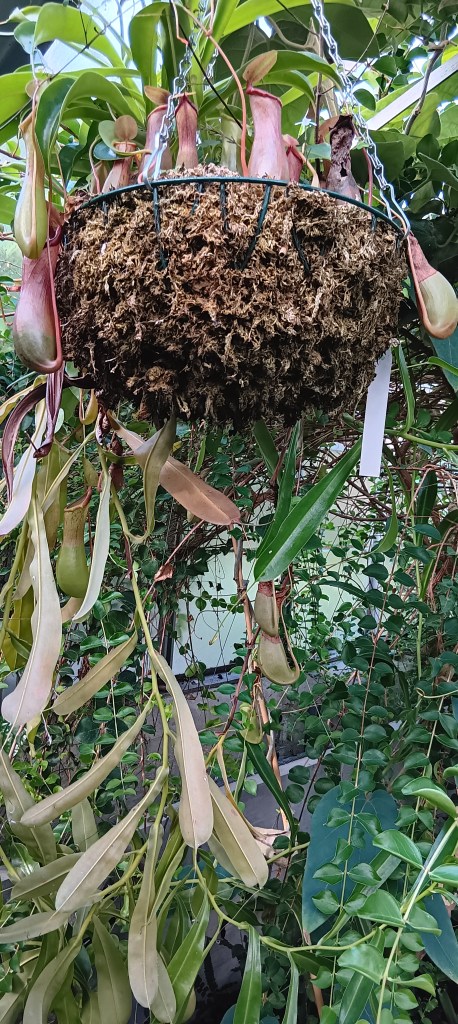

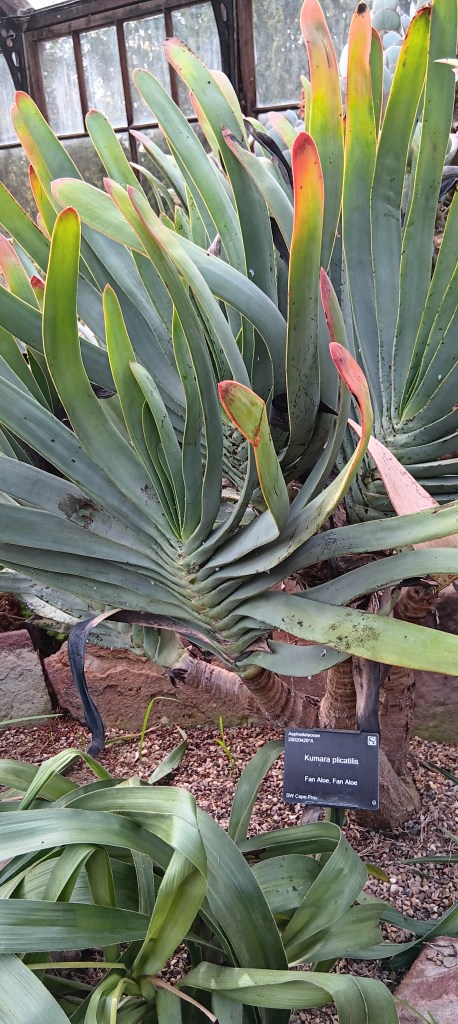

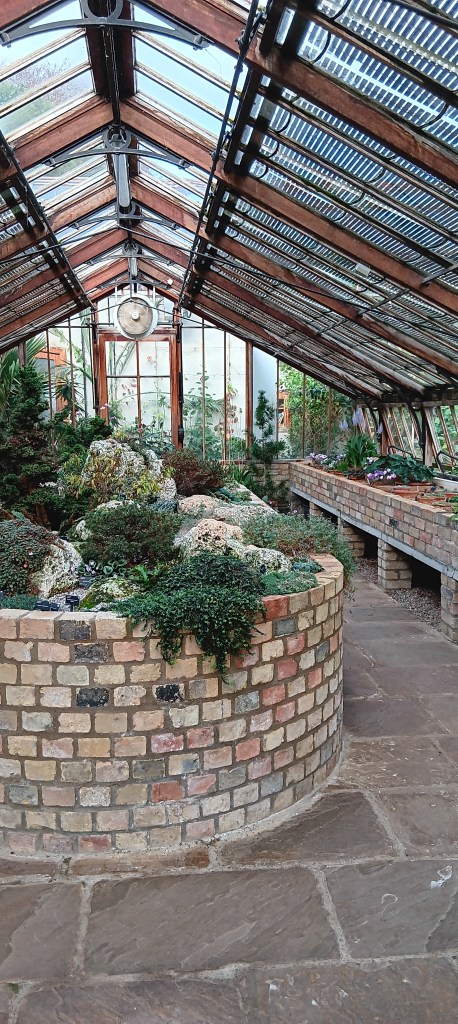


From the chronological garden of plants introduced into the UK, it’s not surprising to see the earliest (late 1500’s) include tobacco, potatoes, artichokes and saffron.
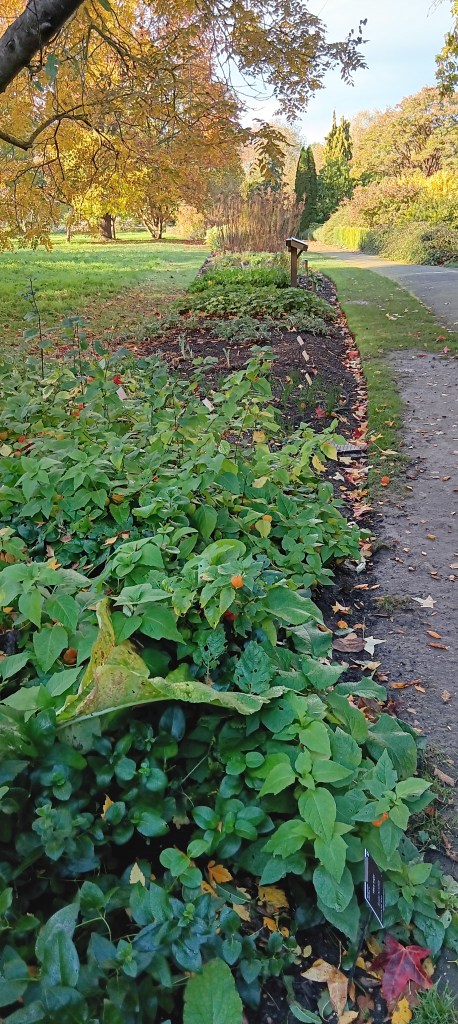
Charles Darwin, in one of his more sensible conclusions, worked out that all plants are related, and had come from green algae. He established records of family trees, including some branches now extinct.

Conversely, the systemic section of the gardens assists students in taxonomy; the science of identifying/classifying plants by form, growth habit etc, rather than in family groups.

The designers have used simple methods to guide water to appropriate drains:

Being an educationally-based garden, how lovely to provide resource libraries in strategic places:

Another feature of this garden is the allowance of plants to complete their life cycles, thus ensuring a proper basis for scientific research. Most public gardens are heavily manicured, meaning human eyes are not subjected to the joy of unexpected seedlings, nor the beauty of seeding and death.
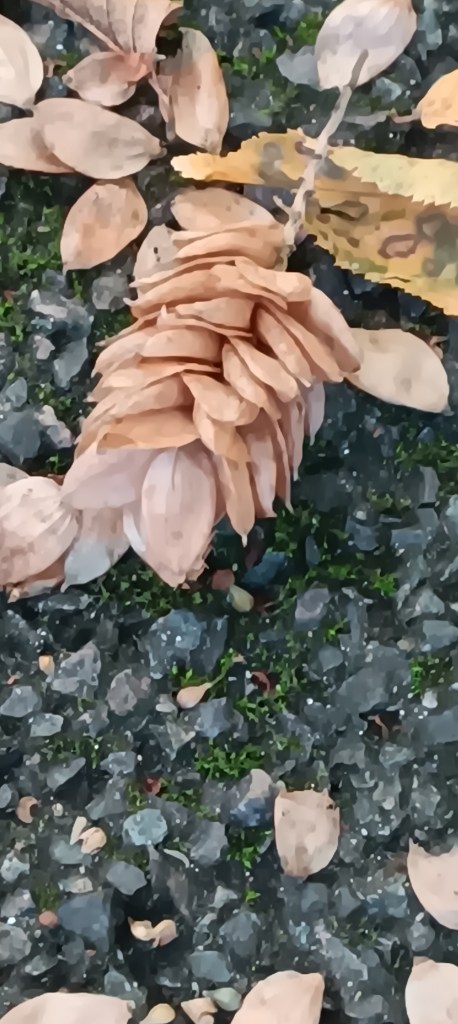
Then there is the hop tree whose name reflects that it’s cone imitates the namesake:

Plants from high or soil-challenged environments cling into cracks in a limestone rockery, as they would in their natural home.

Not all of the endangered species are plants; assumably at least one gardener lurks nearby? I didn’t spot them.

In the New Zealand section, a tree I didn’t recognize. Why would anyone place an example of the endangered Spanish fir from Morocco in a South Pacific garden?
Eighty percent of New Zealands species are not found anywhere else on earth. It was strange to see New Zealand plants set out for scientific purposes rather than to replicate our natural landscape.

Professor John Stevens Henslow’s vision of a garden for study and enjoyment is a vision indeed, both for the mind, and the eyes.
 Stories for you - Enjoy!