Let’s get something cleared up right away; the ss Great Britain was not a slave ship!
Right, so on with the story. She was the biggest ship in the world when she was built, and the first to use a propeller instead of steam paddles. She was also the first to use iron for the hull instead of wood. All that’s great in 1843, but the price of coal to drive the engines got overwhelming so the owners had her converted to sail in 1882!
From 1852 to 1875 she undertook 32 trips to Australia, carrying 700 emigrants at a time. The demand was driven by gold rushes. She also carried troops to Crimea and India; in ten months, over 44,000 British, French and Turkish, plus some horses.
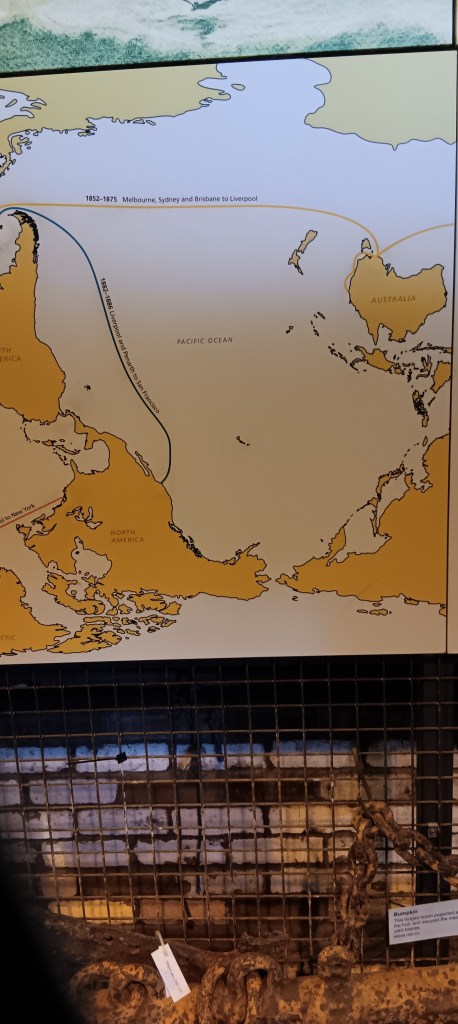

And yes, the above is how the maps are shown in the exhibition!
There are other unique qualities to the current display. The ship shows a huge range of rooms and areas.
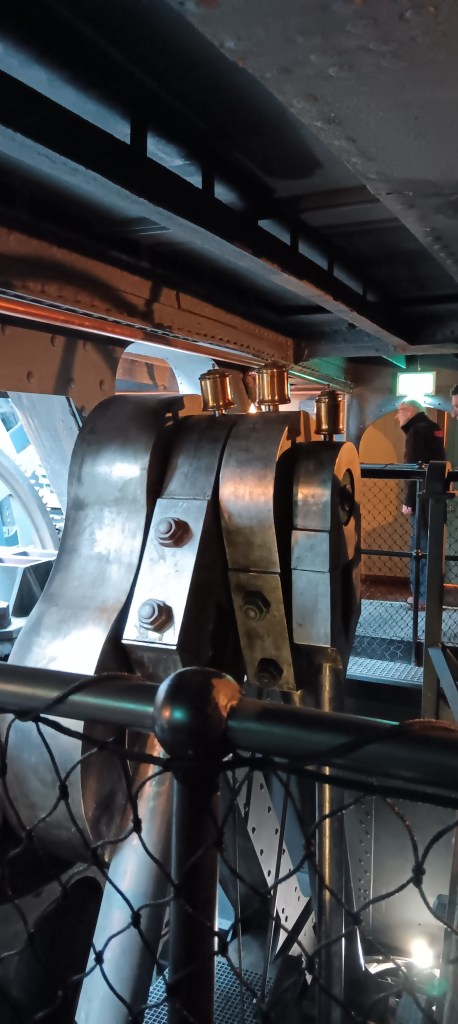
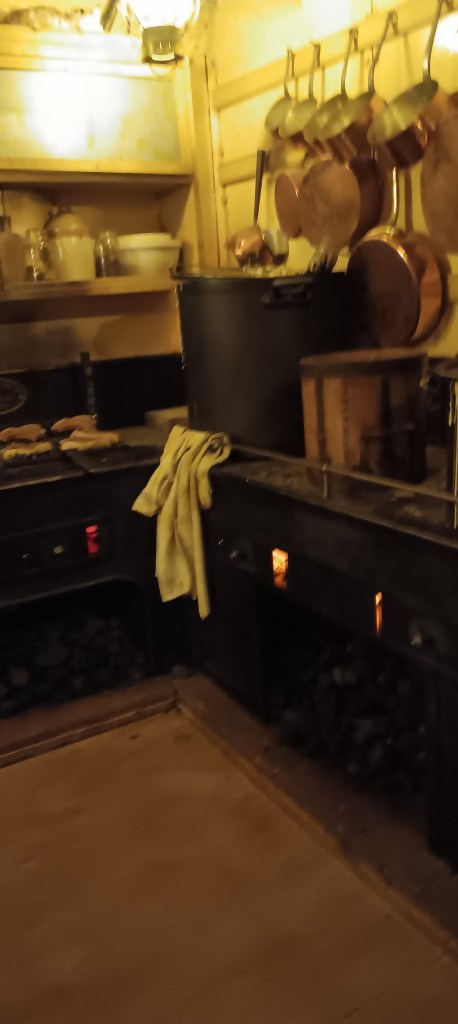
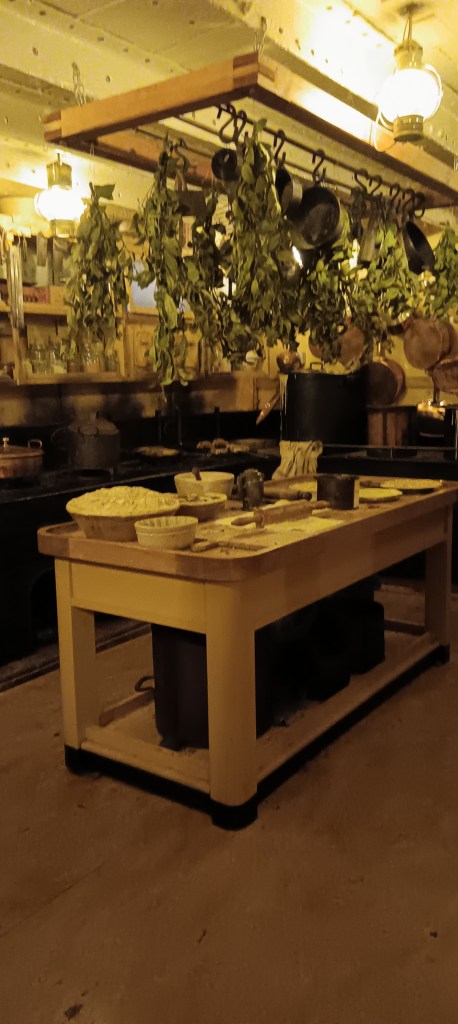
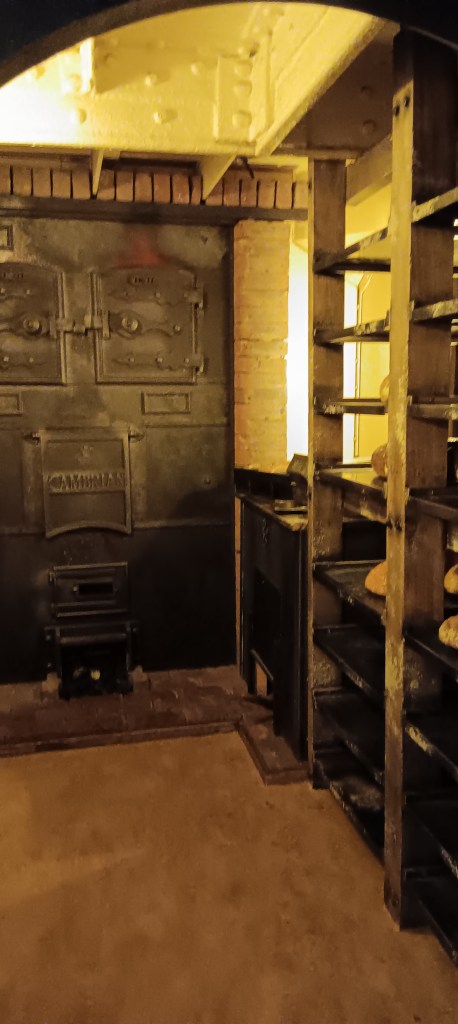
Many parts of the exhibition seem very real. Visiting kids can have ‘wounds’ treated, but the blood looks so true that they’ve had kids faint! On a more pleasant note, the bakery actually smells of warm bread.
Eventually, the ship became a liability, as other ships took her roles, and she spent about eighty years derelict in the Falklands, becoming part of the landscape for generations of islanders, service men, and visitors.
But then someone decided Bristol wanted her back. The story of her salvage is remarkable; check it out.
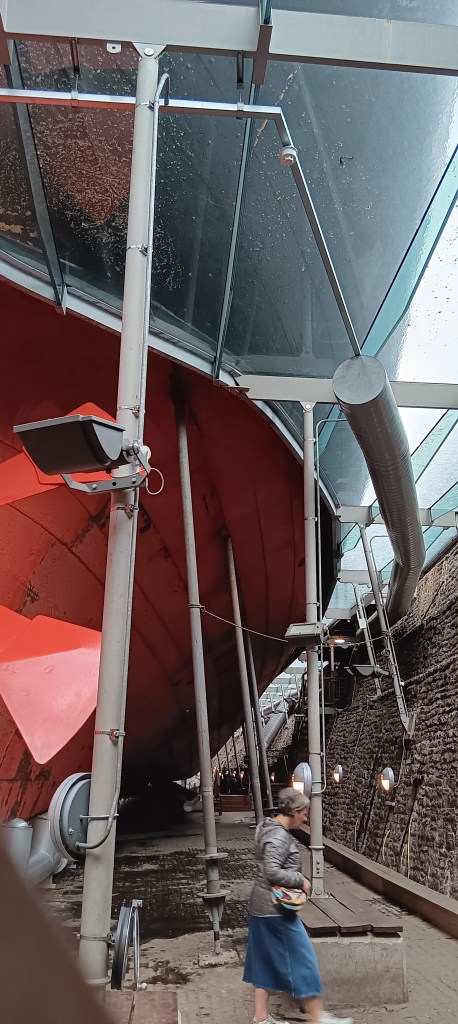
Now, she is safely exhibited in a unique setting, with two huge dehumidifiers keeping her hull at 20% or less humidity, whilst outside Bristol city is often 80% or more.
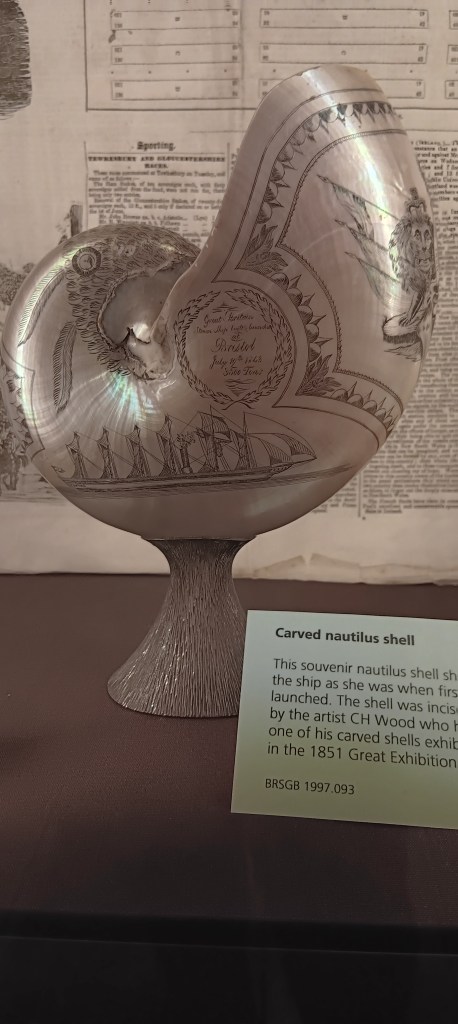
This shell depicting the ss Great Britain was incised by artist CH Wood.
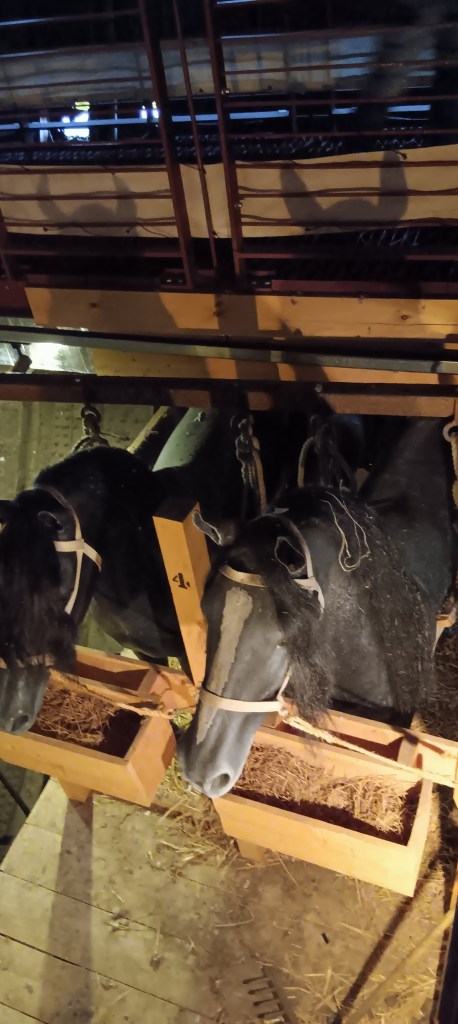
During transportation, horses were stabled to prevent harm, with a surcingle belt under their bellies to ensure they couldn’t fall, and an overhead beam so they couldn’t rear, yet enabling them to move in response to the ships motion, and thus keep a reasonable level of fitness.
As an aside, just outside the exhibition are some information boards relating to the local port area and history. For example, the ‘Faith hope’ was built to be the Gosport ferry, but the order was canceled. Instead, the Vine Trust equipped her as a floating health centre, with pharmacy, laboratory and consultation rooms. She sailed in 2016, and now spends her days supporting communities in Peru.

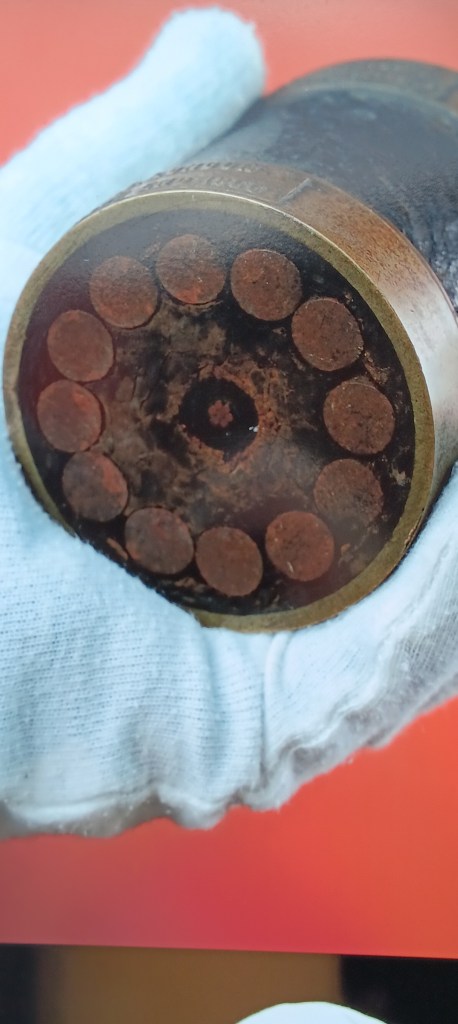
Another piece of history from the same area: the innards of the first cable connecting England with America:
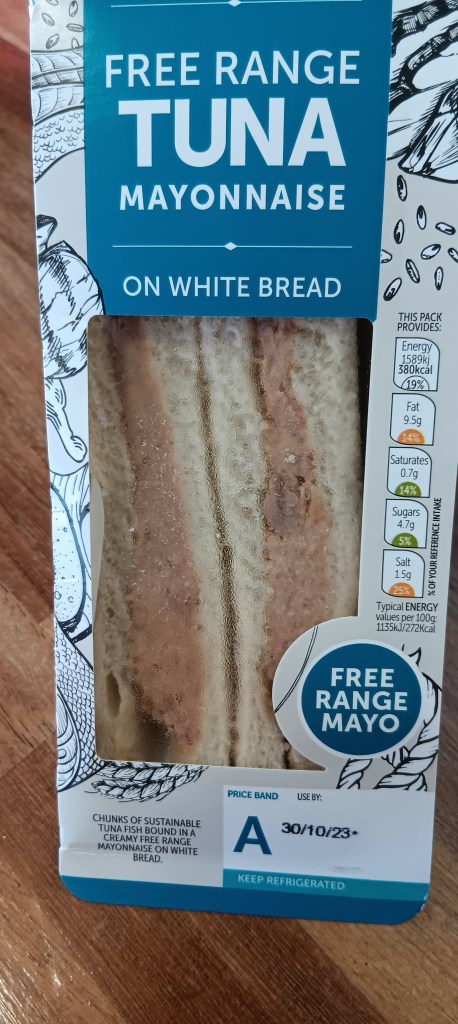
And for an astonishing commentary on how gullible some food producers think the consumer is:
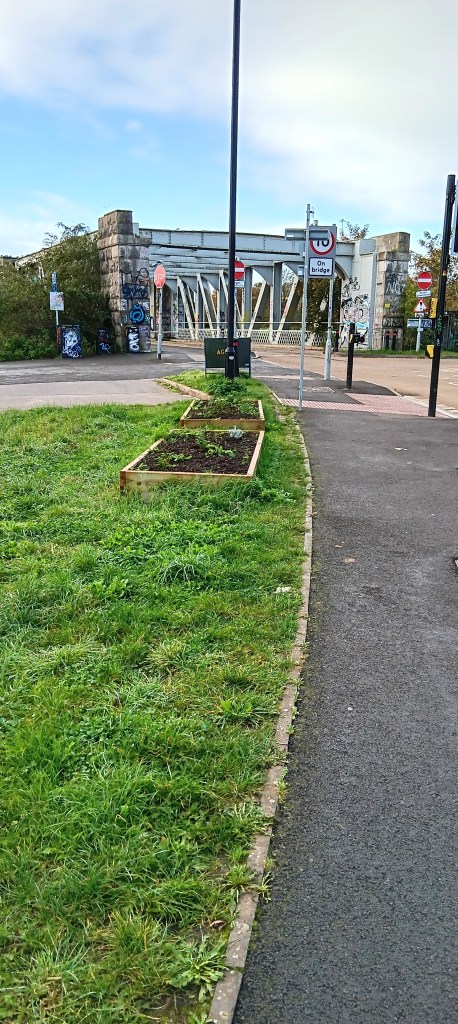
Since we’ve wandered away from the remarkable ss Great Britain, here’s some more Bristol for you…. Firstly a herb garden in the middle of wasteland:
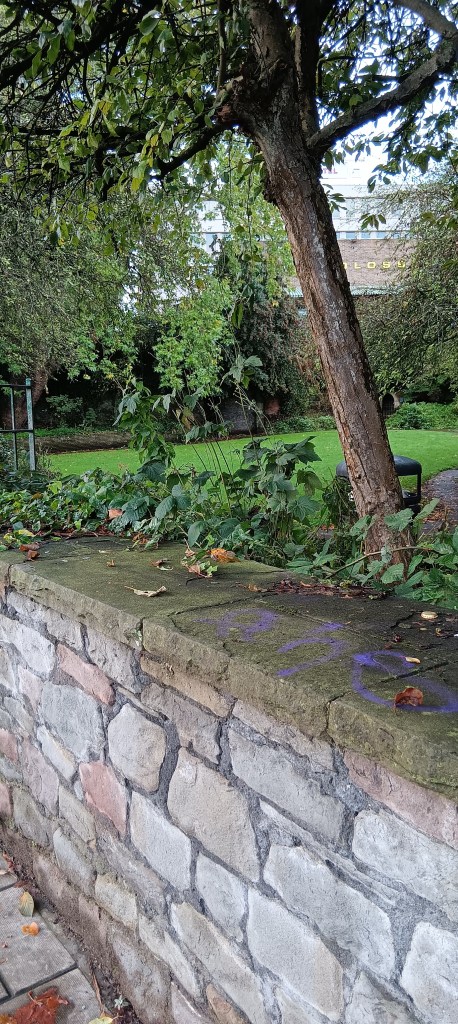
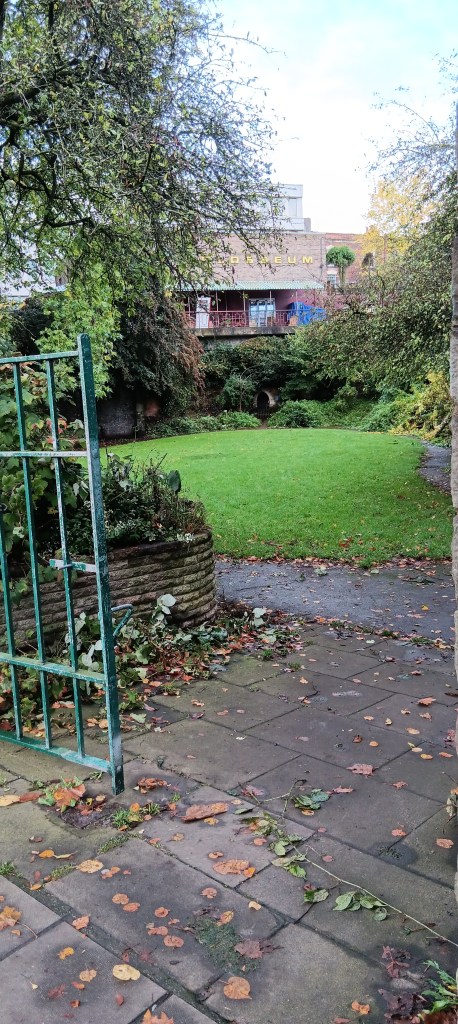
A piece of paradise gifted to the city by Quakers:
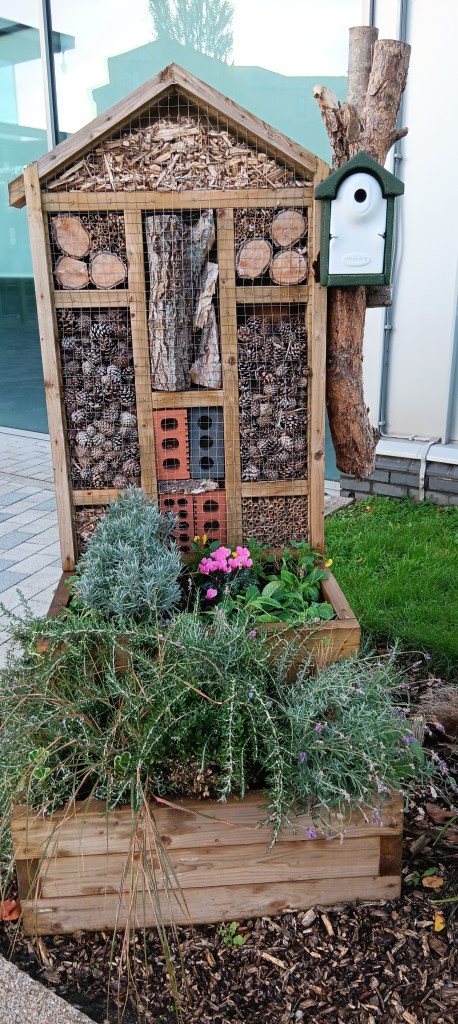
An insect hotel on a busy main road:
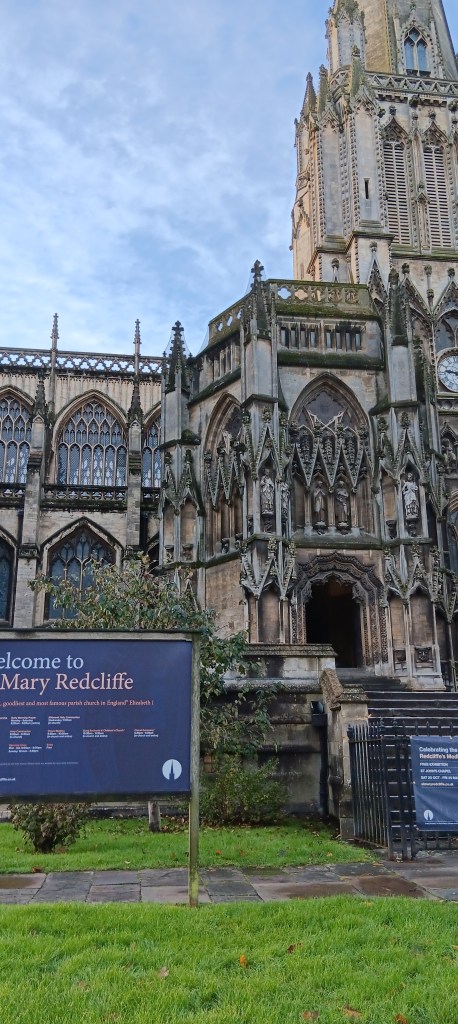
An incredibly spiky church…
But the best for last… it’s There!

 Stories for you - Enjoy!