Roman women in Bath shaved their legs, had regular massages, and worked out at the gym. So we’re not all that differant from the folk of 70ad. Technology and fashion may have changed, but the desire to reshape ourselves….?
Their gym included weight lifting, wrestling, and medicine ball passing. Men and women had their own facilities, with no gender-neutral areas, so folk could freely wander, massage or bath, quite naked.
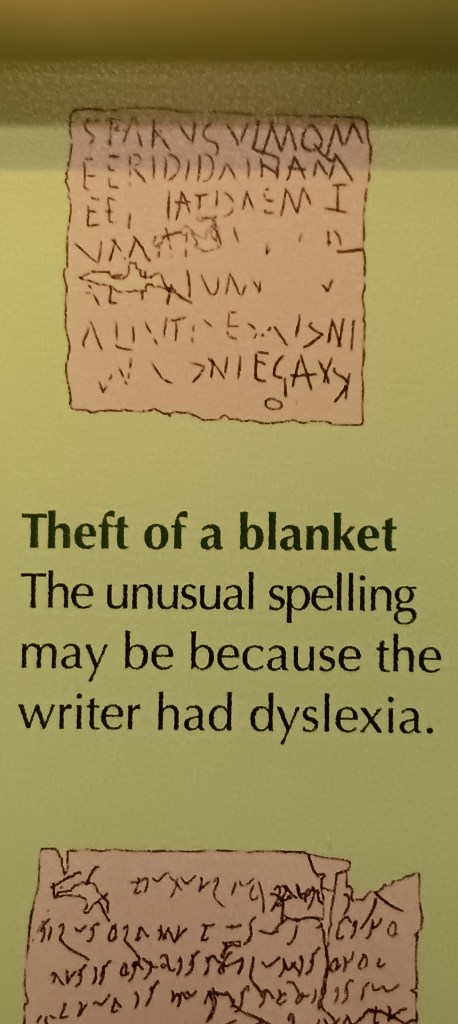
But we do express ourselves differently now. In our darker moments we may wish curses were a thing, whereas the Roman’s believed it fully. Placing a curse involved etching the culprits name and crime (usually theft) on a lead two-inch square, then throwing the tag into a pool dedicated to the relevant Goddess. More than one of the archealogically-retrieved curse requests were written by someone believed to be dyslexic.
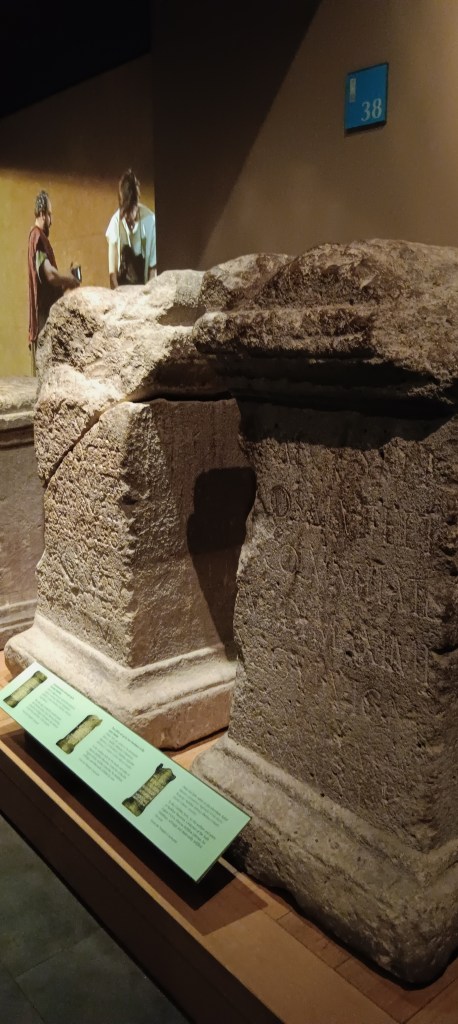
Contrary to that, when a slave was freed he carved two alters in praise of his ex-master; perhaps a Roman example of praising someone when he’s been good? A simple note of thanks would have been easier.
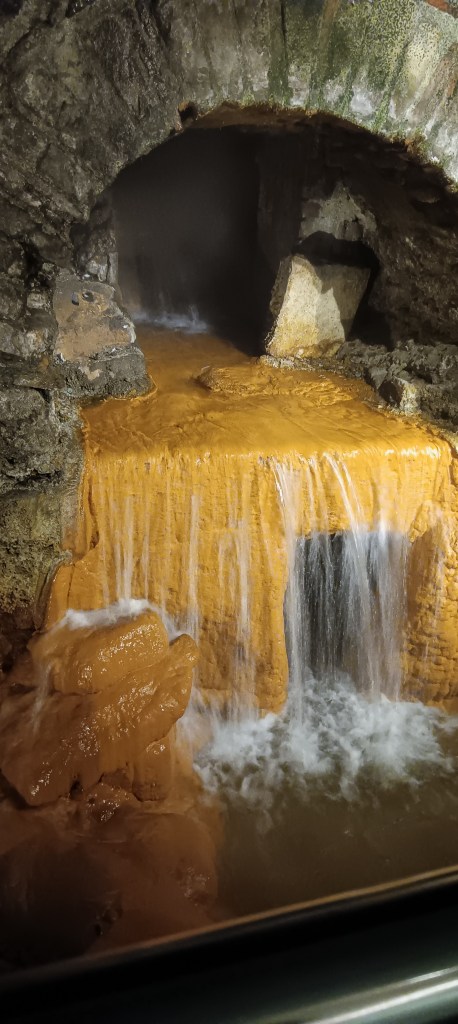
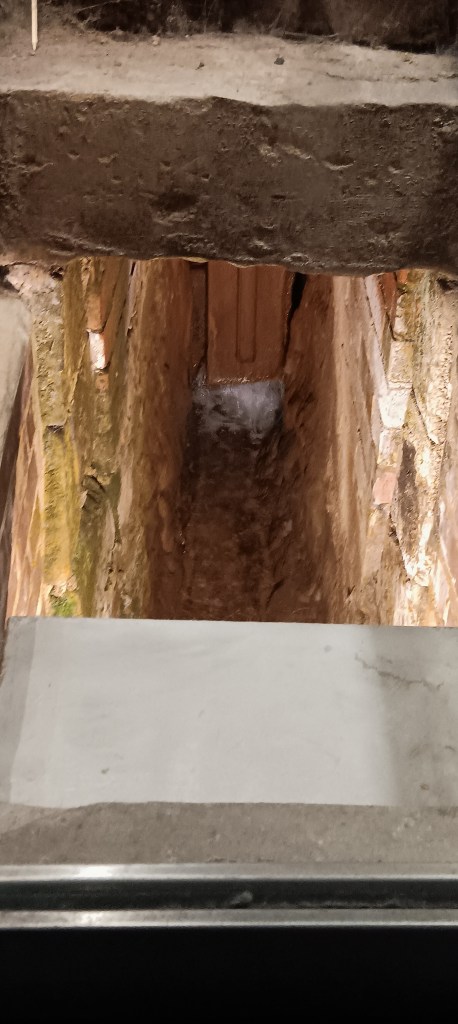
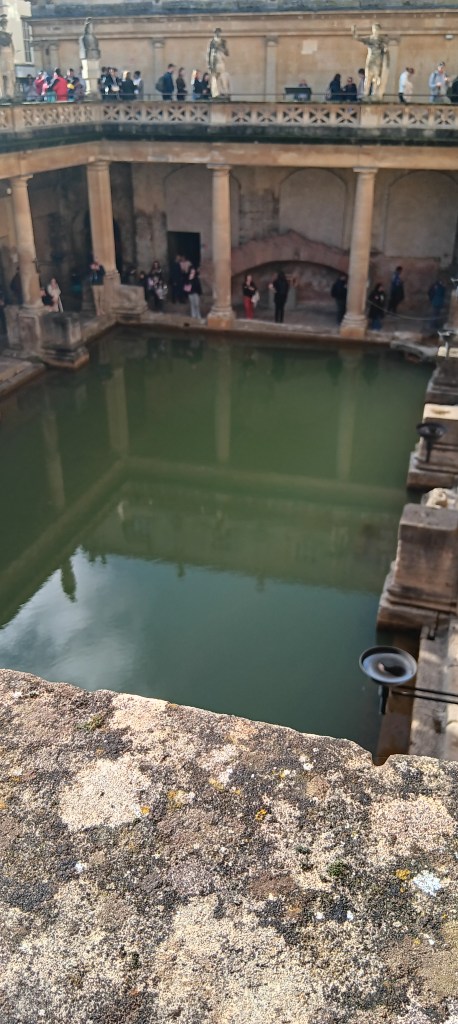
The baths are fed from a thermal spring which runs at a constant 46 degrees, with over a million litres a day of the ten thousand year old water. Excess input overflows into a drain which sends it to the river. There’s no information about what the impact is on the river habitat, but maybe after 2000 years they’re used to it!
Water for the four feet deep cold pool was piped from springs several kilometers away.
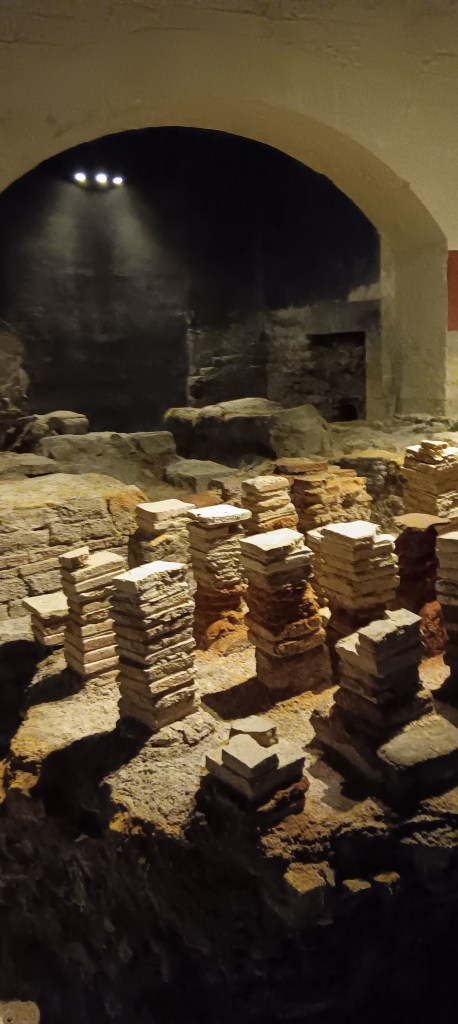
Many of the massage areas etc had underfloor heating, but not electric! Huge furnaces heated air which fed under floors built on tile piles. Sandals were compulsory in the hot room to prevent burnt feet. The floor no longer exists, but the furnaces and piles remain.
There were even sauna rooms, and a pool with bubbling hot water; the Roman version of the Jacuzzi.
The changing rooms included alcoves for individuals clothes. What does the fact that we require secure lockers nowadays say about our modern times?

Roman coins were thrown into Pools as offerings, from as early as 133BC onwards, but astonishingly included forgeries! What would the God’s have thought of that?
Even then, throwing coins was not a new concept. Before the Roman’s arrived, two local tribes, the Dobunni and Durotriges, threw coins into the springs as offerings. The coins depicted ships, humans, and triple-tailed horses.
The Roman’s, like us, had fashions in building colors. They loved bright colors, so whilst todays tourists see only naked stone, in Roman times the whole site would have been boldly painted.
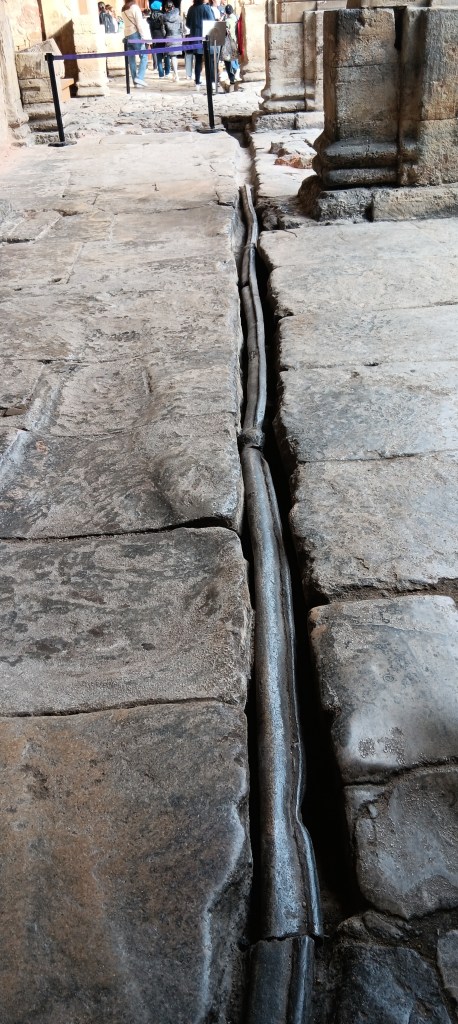
Lead pipes are fortunately not in use nowadays, given lead’s toxic qualities, but the Roman’s used lead not just for piping, but also lined the baths in some areas. Perhaps they viewed it in the same way we view plastic, the wonder material that can be moulded into almost anything.
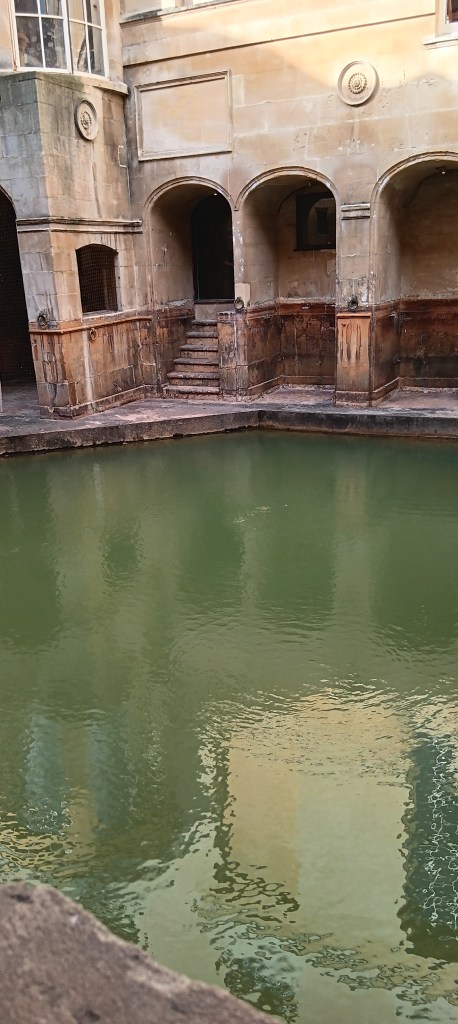
Also like us, the Roman’s didn’t like algae in their pools. Algae requires sunlight. So the Roman’s built a twenty metre tall arched roof over the main bath, with light able to get in but not direct sunlight. The roof is long gone, so the water is now an unappetizing green. Note the original waterline part way up the walls.

But they did clean their baths. Not every day, but regularly. Bronze sluice gates could block or release water as required.
In 1727, long after the existence of the baths had been all but forgotten, roadbuilding workmen found the gold Goddess Sulisminerva.

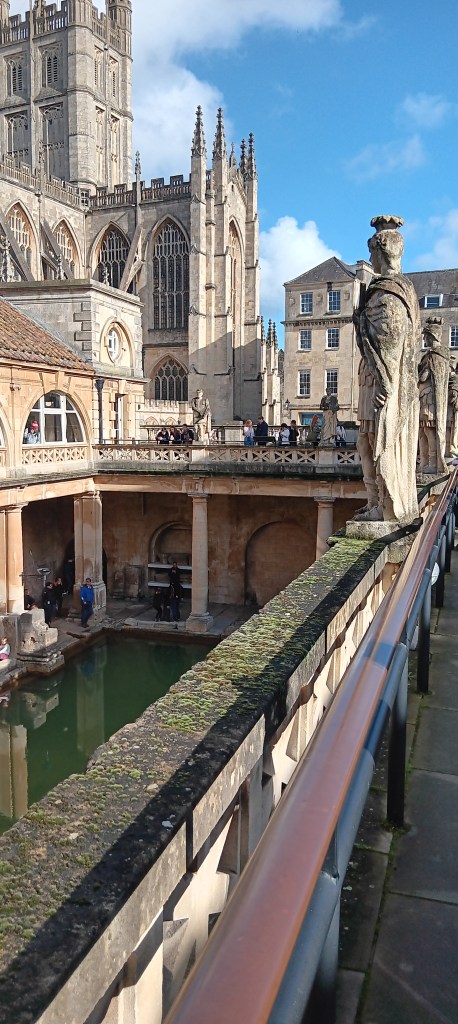
This was the first indication that an important Roman ruin lay nearby. The baths were uncovered in the late 1800’s, and, just as we would do today when developing a tourist attraction, statues were added to the terrace to give it a more Roman feel.
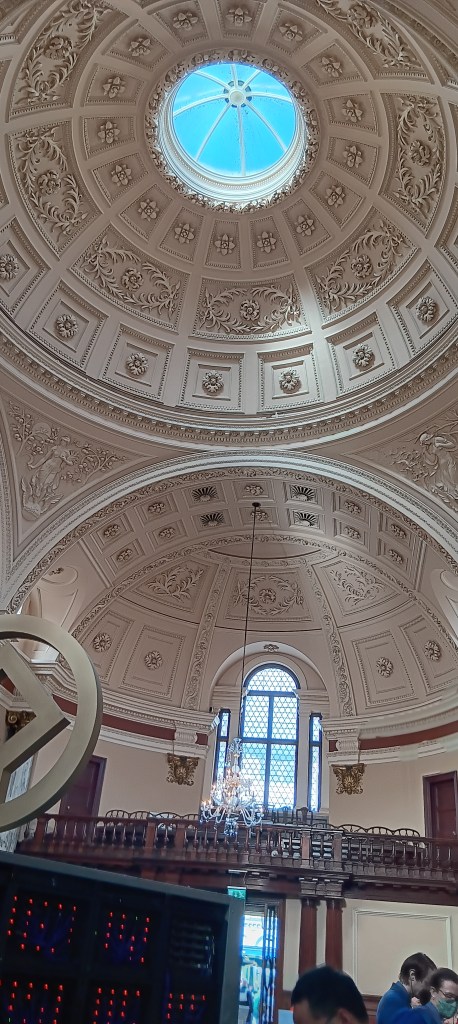
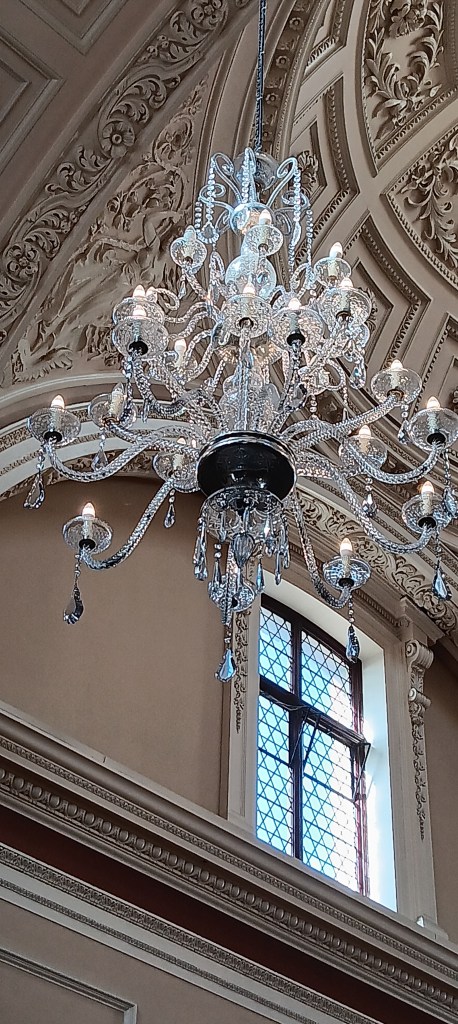
The tourist entrance to the baths are surely a more modern attempt at being ‘grand’… especially the chandelier.
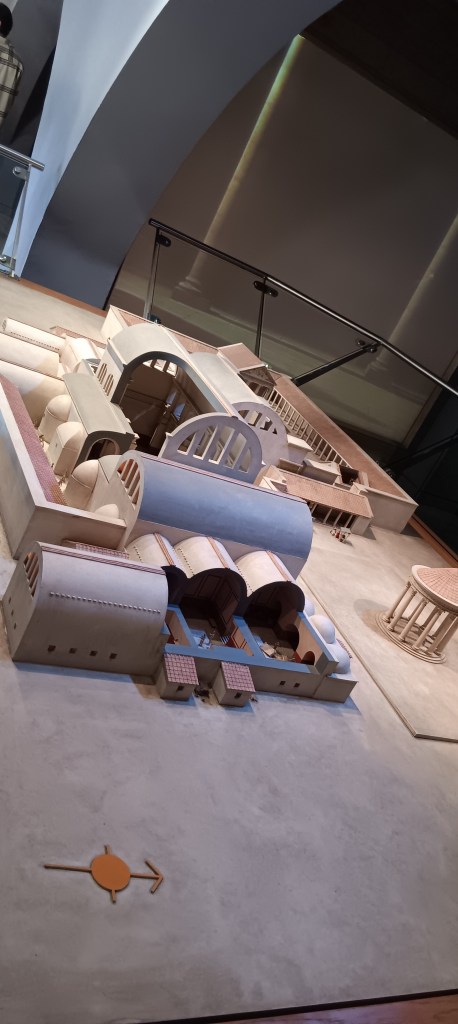
The scale model shows the sites original layout, including it’s towering roof; the tallest building in the UK at the time.
As to how the Romans shifted those four foot thick slabs into place? They may not have had cranes (nor work-safe regulations), but they did use hemp rope and wooden pulleys to lift pieces weighing over 100kgs each, even up to twenty meters high. The work building the underground water tunnels and the pools is equally impressive.

All very impressive, but, to quote a female tourist at the baths, ‘Just think, we’ve been shaving our legs for two thousand years. Makes you wonder if there’s been any change at all in how we see ourselves, doesn’t it?’
 Stories for you - Enjoy!